
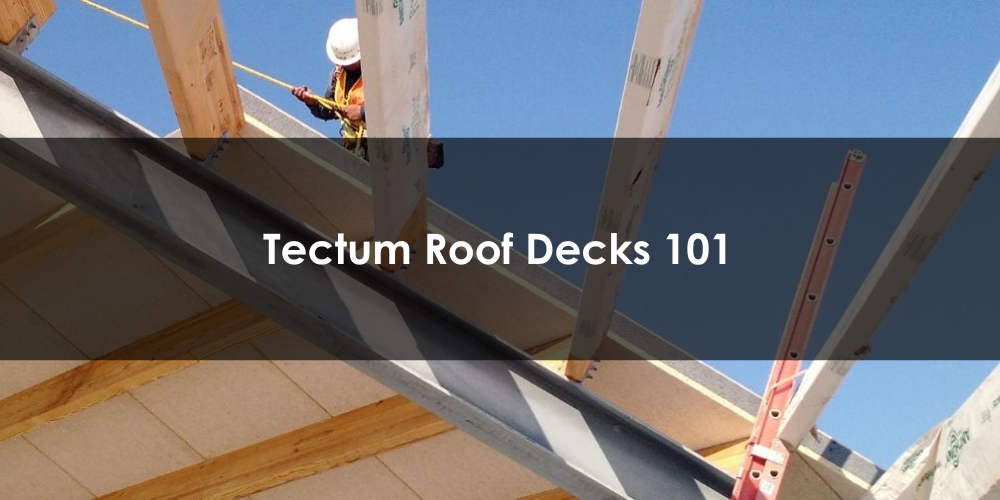
When new construction projects require excellent thermal and acoustical controls, especially for applications such as gymnasiums or restaurants, as well as an open plenum (exposed structure to the roof deck), standard metal decking may not be the right choice. Instead, Tectum Roof Decks were created to fill this need. Providing excellent safety, sound, and structural properties, Tectum roof decks have been the gold standard in roof decking products for over 75 years. In this comprehensive buyer’s guide, our experts answer common questions about the types of Tectum, the advantages of Tectum deck systems, and how to select the right roof deck contractor for your project.
What are Tectum roof decks?
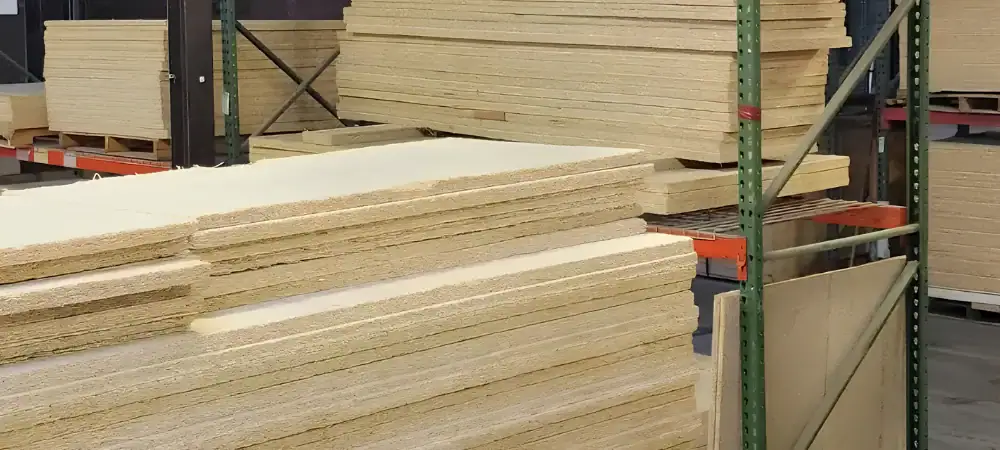
Tectum roof deck panels are made of aspen wood fibers and a cementitious magnesium oxy-sulfate binder, making the panels sound-absorbent and long-lasting. Because the fibers are taken from perpetually growing trees, Tectum deck panels are FSC-certified and a more environmentally-friendly choice than other options. The unique manufacturing processes allow Tectum roof decks to provide a consistent visual appearance and reliable structural and acoustical properties. Standard Tectum tile roof deck panels can be used as the substrate for a wide range of roofing systems, and they do require a roof over the entire assembly. Composite Tectum roof deck panels only require the roof membrane to create a complete system.
What are the different types of Tectum?
Tectum roof decks are available in a wide array of panel types based on the thermal, acoustical, and structural requirements of your building. Each of these offers different benefits and panel configurations.
Tectum I:
Commonly used in low-slope applications, and available in either plank or tile configurations. Tectum I is a roof deck panel made completely of cementitious fibers, with no other layers of material on either side.
Tectum Composite Panels:
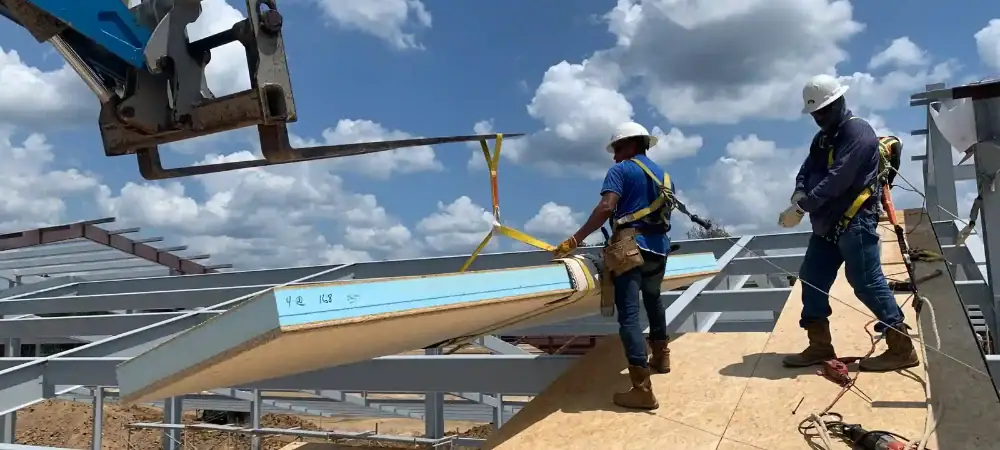
Commonly used in sloped applications, Tectum composite panels also provide excellent acoustics, insulation, and structural integrity. They consist of layers of cementitious fiber combined with other materials, such as OSB and insulation, to create the composite panel.
There are several types of Tectum composite panel options, including:
- Tectum E-N
- Tectum E
- Tectum III, IIIP, and IIIW
- Tectum V Span
What are the advantages of Tectum roof deck systems?
Acoustical insulation
Tectum absorbs sound, allowing Tectum roof decks to help with speech intelligibility within a space. Often used in large open structures like gymnasiums, natatoriums, auditoriums, and large audio venues, Tectum panels provide high NRC ratings (up to 0.80) that aid in comfort and acoustical control. Tectum also meets the American National Standards Institute standard for acoustical treatment (ANSI/ASA S12.60), which applies to any space that could be used for teaching.
R-value
Standard 3” Tectum roof deck has an R-value of 6.43 by itself. ISO insulation or LWIC systems provide further insulation, making the combination a great choice for a wide range of building applications. Tectum composite panels can also achieve any insulation value needed for local code requirements, up to R-43.76.
Sustainability
Tectum roof deck panels meet key industry sustainability requirements, including EPD, HPD, and Declare.
What roofing materials work best with Tectum panels?
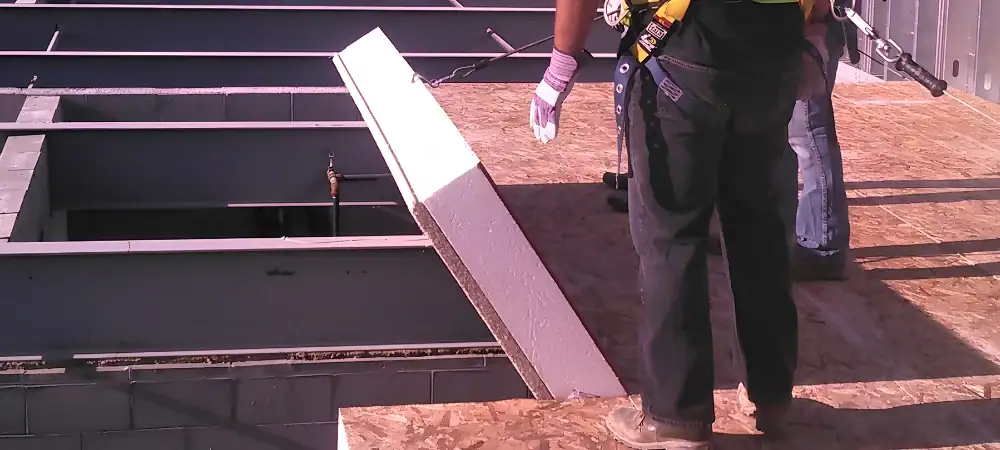
Tectum is compatible with most roofing materials. It is often used as a substrate for lightweight insulating concrete (LWIC) roof deck systems; since Tectum is porous, the LWIC can dry from the underside of the slurry, resulting in a structural and acoustical roof deck with built-in insulation. If you’re unsure about the compatibility of Tectum roof deck panels with a specific roofing material or system, contact Nettles Construction Solutions today to discuss.
How long does Tectum roof deck last?
Tectum roof deck panels are engineered to withstand the test of time and wear. When properly installed and maintained, these panels can last up to 75 years, or the life of most buildings. Because they’re modular, Tectum roof deck panels can be easily installed, repaired, and maintained with the help of experienced Tectum roof deck installers.
How to choose a Tectum roof deck installer
When finding a Tectum roof deck contractor or installer for your building, start by asking the following questions:
- How long has this contractor been installing Tectum Roof Decks? Can they list a few significant projects?
- What is the material lead time, and could they work with the stated construction schedule?
- Will the contractor provide detailed layout drawings and submittals for approval that indicate Tectum standards?
- Does the contractor have the training in Tectum installation and safety needed for the project?
With the answers to these questions, you can make a better, more informed decision about whether a specific contractor is a good fit for your Tectum roof deck installation project.
Why choose Nettles Construction Solutions for your Tectum Roof Deck installation?
Nettles Construction Solutions is trained and experienced with Tectum roof deck panels, and we’ve been installing these roof decks for over 45 years. We have a range of featured projects visible on our website or available by request as examples of our work, and we’re dedicated to keeping your project on track with the stated schedule. From providing detailed and thorough documentation to answering your questions every step of the way, Nettles is proud to be a top choice in Tectum roof deck installation in the Midwest and South Central US.
We can help with your project or answer any questions, so contact us today!